

Anti- Corruption & Legislative Reform
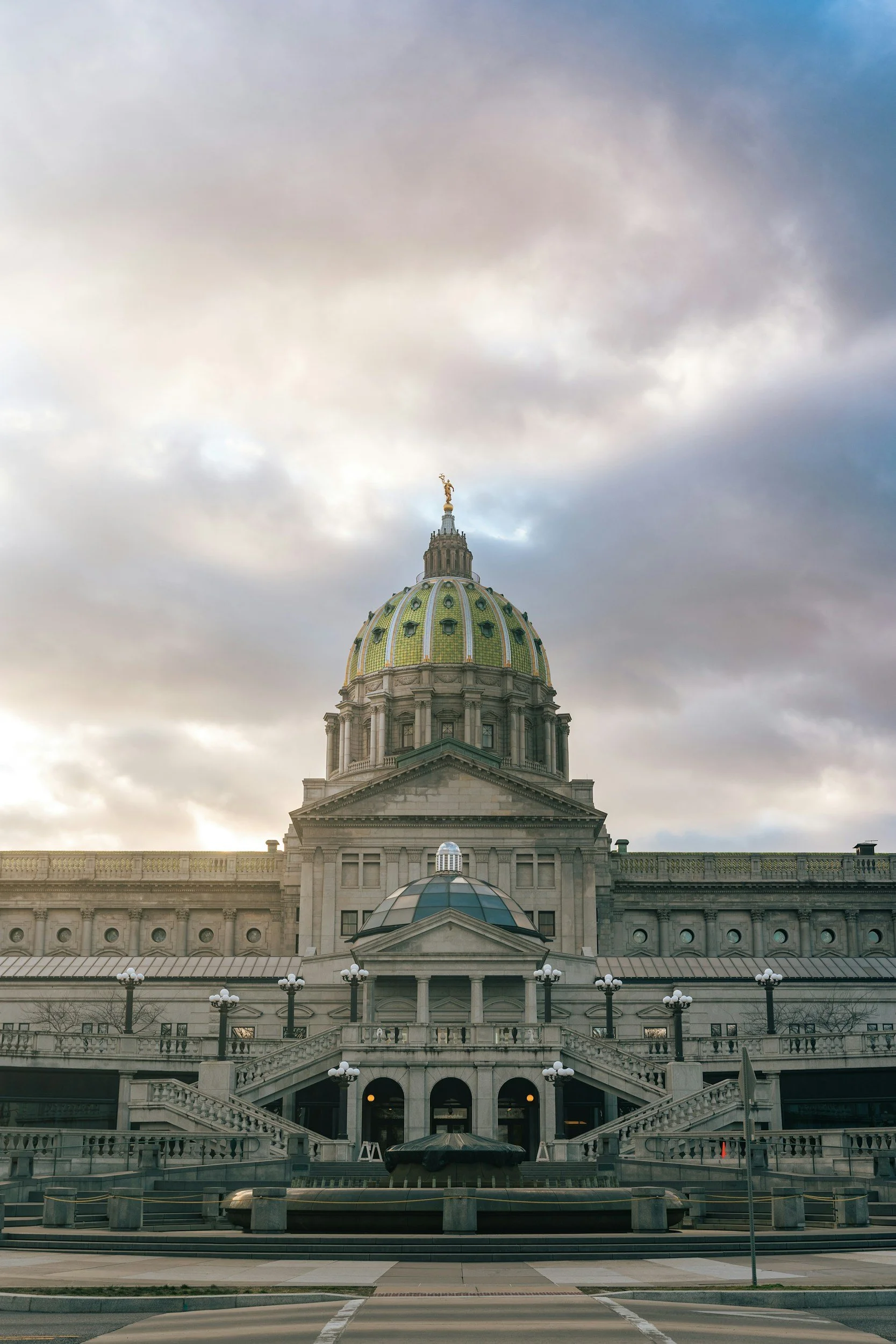
The needs of everyday Pennsylvanians are getting sidelined because of legislative corruption and rules that make it easy to do nothing. Despite being richly compensated for their full-time work, Pennsylvania’s General Assembly passed a mere 65 bills last year - one of the least productive sessions in decades. In part, this is because PA majority leaders and committee chairpersons have enormous discretion over legislative agendas and can effectively block legislation by never scheduling it for consideration. Many good proposals die simply because our legislators refuse to debate them.
Add to that opaque financial practices, unlimited campaign contributions and gifts, and corporate lobbying, and you have a recipe for disaster. We can’t possibly expect our legislature to negotiate hard issues like affordability, housing, healthcare, or the proliferation of AI so long as its members are being bought by dark money and shielded from having to make tough decisions.
I want to shake up the status-quo. We need to make it harder for the General Assembly to duck hard choices and incentivize accountability and reciprocity. To that end, here are some reforms I support:
-
I advocate Pennsylvania renders its own version of Colorado’s GAVEL Amendment (Give A Vote to Every Legislator), which requires that every bill introduced must be assigned to a committee, receive a public hearing, and be voted on by the committee members. This effectively eliminates pocket vetoes where a committee chair can kill bills by never scheduling them. The amendment was approved by 72% of Colorado voters in 1988 and led to a massive increase in legislative visibility and productivity, although it isn’t directly correlated with a significant increase in legislative enactment.
Procedural changes such as this will force our elected officials to take positions on legislative proposals, making them more answerable to us. Given the PA General Assembly’s tendency to gridlock on partisan lines, I believe this type of reform is necessary to making real progress.
-
As taxpayers, we are paying full-time premiums for part-time effort from many of our elected leaders. Pennsylvania is one of 10 full-time legislatures in the United States and has the 3rd highest paid legislature in the nation. But despite their generous salaries, benefits, and pensions, many PA legislators want more. There are no limits on gifts legislators may receive and the provisions allowing them to avoid reporting it are libera (see HGOC report, page 27). Further, approximately half of the 50-member Senate and a fourth of the 203-member House of Representatives maintain other business activities in addition to their legislative duties. Unlimited gifts and private business interests bias elected officials’ decisions and distract them from the important work they have been elected (and richly compensated) to perform.
They may treat their sacred duty like a lucrative side-hustle, but I commit to not engage in private business activities while in office - you will have my undivided attention and fidelity. Further, as your senator, I will work to ban full-time elected officials from receiving gifts or engaging in external business activities and bribery for the duration of their tenure. Help me create a Commonwealth where your public servant’s efforts are spent not in service of self or corporate lobbyists, but exclusively in service to you. -
Because campaign donations are unlimited, the wealthiest donors wield outsized influence over policy, leaving everyday folks without a voice. For instance, both parties in Harrisburg are supportive of allowing billionaire-owned data centers even though the electrical demands of those centers are already driving electricity prices higher for working Pennsylvanians and small businesses. The ability of a few ultra-rich individuals to provide unlimited rewards or punishments discourages politicians from standing up for our interests and say "NO!"
Until candidates have an alternative source of campaign funds, such as a system of publicly funded campaigns, we need to limit the amount any individual can contribute to a politician.
Nearly every other state already has individual contribution limits - it’s about time Pennsylvania got up to speed. That’s why I support legislation like SB11 and HB555/HB542, to reign in the influence of moneyed interests on our elections and make Harrisburg work for us. -
Corporations of all kinds should not be able to spend on elections. For over a century, we've given corporations unlimited power. It turns out, we don't have to do that.
Pennsylvania can change its laws to make clear that spending on elections is not a power granted to “artificial persons,” with no federal law required. Enter the Montana Plan, which stops corporations from spending money in elections by limiting political spending to real people, as it was before Citizens United. The plan is expected to be on the ballot in Montana and Colorado in the Fall. Legislation has also been introduced in twenty state legislatures and is expected to be introduced in Pennsylvania soon.If we’re going to see real change in our state, we need to curtail the influx of dark money influencing politicians and their decisions. I support the Montana Plan as a reasonable, common-sense answer to the problem of dark money influencing our state government.
-
8 of 10 Pennsylvania budgets in the past decade were passed late. Pennsylvania does not experience statewide government shutdowns as a result of missing budget deadlines, but budget impasses place a heavy financial burden on county governments, as we witnessed in 2015-16. Therefore, we need to aggressively incentivize our elected officials to treat this responsibility as imperative. I am interested in exploring financial penalties (e.g. paycheck freezes) for legislators and heads of the executive branch when they are unable to pass a timely budget. Coupled with restrictions on external sources of income, I believe this would be a powerful motivator for our General Assembly to swiftly negotiate budgets.
-
I support the creation of an independent redistricting commission along the lines of that proposed by Fair Districts PA. Having served the legislature in a heavily-gerrymandered district, I can attest to the logistical challenges and suppression of regional preferences gerrymandering can cause. It is simply too tempting for the ruling body to utilize the powers at their disposal to secure their jobs - we need external accountability to ensure the preferences of Pennsylvanians, and not elected officials, are most accurately represented on election day.
“Never doubt that a small group of thoughtful, committed citizens can change the world; indeed, it’s the only thing that ever has.”
Affordability
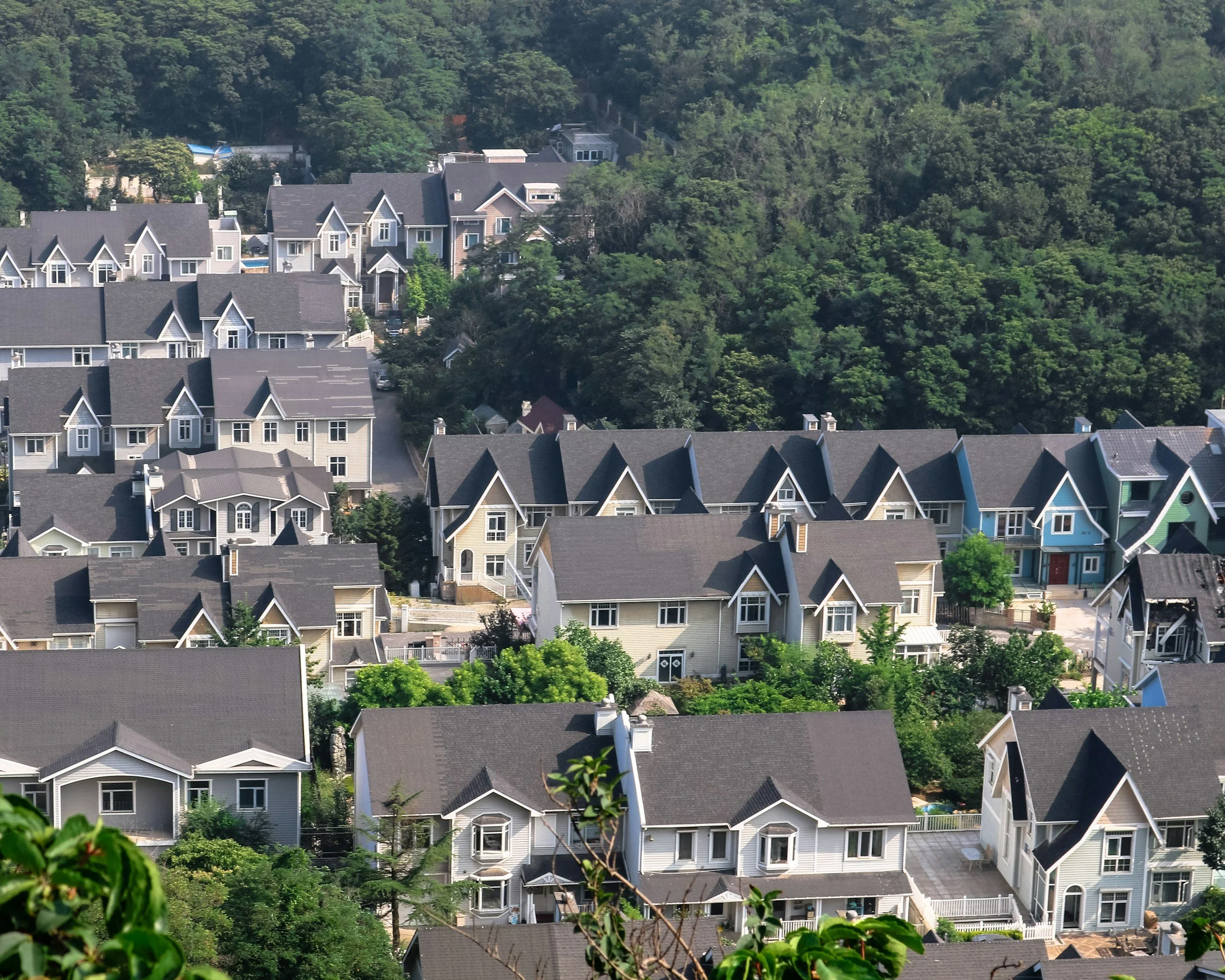
As a working 33-year-old, I am intimately aware of how the cost-of-living crisis is affecting younger generations. I too am struggling; despite maintaining consistent employment, I have regularly needed the support of family, friends, and state services in order to have shelter, keep my car on the road, and receive medical care.
For my part, I don’t mind working hard. But it shouldn’t be this hard to survive in PA.
My experience is far from unique. The majority of Americans do not possess assets, and wages have not kept up with inflation and rising prices. Until we address the underlying policies causing increasing economic disparity in our region, this will continue to be a critical problem.
While many of our economic hurdles are being created at the national level, there are proposals we can employ to better position Pennsylvanians for success.
-
Senate democrats have rolled out a legislative slate which seeks to improve the wellfare of Pennsylvanians by:
Raising the minimum wage to $15/hour by 2029 (HB 2189 & SB 19).
Universal free school breakfast and lunch (SB 180).
Protecting and expanding access to healthcare (SB 322).
Build more housing, reduce costs, and create opportunities through Governor Shapiro’s Housing Action Plan, and Lightning Plans.
Aid first-time homebuyers with financial assistance through the Put Down Roots PA Pilot Program (SB 753).
These are all hugely important initiatives, and I very much support their implementation.
-
While Pennsylvania legislators have received an automatic cost of living adjustment since 1995, the minimum wage here in Pennsylvania has remained fixed at $7.25 since 2009, when the federal minimum wage was first implemented. We tie for last with 19 other states for having the lowest minimum wage in the nation.
It is manifestly unfair for elected officials to give themselves an annual cost of living adjustment without doing the same for the poorest wage earners in the state. If we can’t afford to pay our poorest workers a living wage, then we can’t afford to pay more for leaders who already have it too good.
I will propose legislation requiring any legislative cost of living adjustments to be applied to the minimum wage. This legislation isn’t going to solve wage stagnation on its own - it’s going to take a lot more than that to get them where they need to be. What it will do is incentivize legislators to actually attend to the problem - it provides a strong personal motivator to make the minimum wage as high as the General Assembly can square with their constituency.
-
Utility bills are a real problem right now - the unlawful war in Iran and the encroachment of data centers are ramping up the price of fuel and the demands on our grid. Energy costs were already too high - now they are intolerable. Fortunately, there is some important legislation in the works which I stand behind.
House Bill 2333 – the Return to Ratepayer Protection Act – improves on what’s worked for decades to protect consumers. The act would make sure:
Ratepayers aren’t charged more to offset delinquent accounts.
Delinquent ratepayers working with utilities on payment plans are protected from shutoffs, and winter shutoffs are remain prohibited.
Account holders behind on payments will get better information, earlier information, and will be notified using multiple methods.
Lower-income households will have more flexible payment options, and fees will better reflect what people can afford.
Water, Sewer, and Gas authorities will have better tools to keep services running while working with customers on payments.
Rep. Heather Boyd and Rep. Liz Fiedler’s House Bill 2131– the Fairness in Retail Electricity Act – protects consumers who took part in the state’s Electric Choice program but ended up paying higher rates than if they had stayed with their default “home” utility and were unknowingly reenrolled with higher rate providers when their contract ended. Customers like you paid more than $2 billion you didn’t have to pay.
The Fairness in Retail Electricity Act would:
Return customers to the local default service provider when a contract with an outside provider ends.
Prevent retail energy sellers from automatically enrolling customers into a month-to-month variable plan.
Make sure customers can still choose to shop for electricity.
-
Our country struggles with inequitable wages, and South Central Pennsylvania is no exception.
Economists frequently measure inequality using the Gini coefficient, a scale from 0 to 1 where 0 means perfect equality and 1 means all wealth sits with one person. PA’s 34th districts trail the national average of 0.49, which is very high relative to other developed nations.
As identified by the World Happiness Report, prosperous countries with low Gini coefficients share a common approach: they use progressive tax systems and crack down on tax avoidance, ensure fair wages and safe working conditions, guarantee broad access to healthcare and social services, invest in anti‑poverty programs, and build governments that are diverse, transparent, and trusted.These are exactly the areas where Pennsylvania must do better. If we want South Central PA to be a place where everyone - not just the corporate elite - can build a secure life, we need to commit to the same principles that make more equitable societies possible.
-
Recent global instability has underscored a hard truth: America’s transportation system remains highly dependent on global oil markets and fragile supply chains. As a result, many of us are hurting both at the gas pump and the auto shop.
But the real problem goes beyond rising costs. South Central Pennsylvania functions as a regional infrastructure hub, yet it lacks the modern transportation network needed to support that role. Overreliance on personal vehicles forces households to shoulder rising vehicular expenses while leaving many residents (especially those without access to a car) bereft of reliable ways to get to work, school, or essential services. This is especially threatening for people who require frequent medical treatment.
I’m very interested Pennsylvania directing construction towards the development of better transportation infrastructure. In particular, I am eager to explore the platform proposed by Transit For All PA. Summarily, it seeks to:Generate $1.65 billion annually, replacing Act 89’s transit funding
Expand and maintain transit while allowing local governments to add (but not replace) funding.
Promote flexible spending.
Expand public ownership of infrastructure.
Build using union labor.
Transition to clean, electrified fleets that support good jobs.
Create equitable access and community development by funding low-income fare programs.
Invest in bike and pedestrian connections.
Promote affordable housing near transit.
This is a forward-looking investment in mobility, economic resilience, and public health. By strengthening transit in this way, we can reduce household transportation costs, improve access to essential services, and build communities that are more connected, sustainable, and fair.
-
Rural communities oftentimes have limited access to high-speed internet, which is important for remote work, education, and overall quality of life. Under President Biden, federal grant programs were sought to support the installation of fiber-optic cable, which is the fastest and most reliable technology. Satellite connections have lower upfront costs, but can be more expensive for customers and can’t offer the same maximum speeds as fiber. Nevertheless, Donald Trump overhauled the federal program, reducing our future grants and doubling the number of locations Elon Musk’s SpaceX satellites will cover. As a result of the latest changes to the grant awards, Pennsylvania anticipates spending $711 million on connecting nearly 130,000 homes to high speed internet - a far cry from the $1.1 billion originally allocated to the commonwealth for the task. The president’s decision is cronyism at its most glaring and is not in keeping with the objectives of Pennsylvania.
In my cursory research, I wasn’t able to find any resources detailing what state funds Pennsylvania contributes to providing high speed internet to rural areas - we seemingly exclusively use federal funds. The reduction in those grants has caused some contractors have started turning down work in Pennsylvania due to a poor calculated return on investment.
Without additional federal funding, installing fiberoptic cable competes with other commonwealth appropriation budgetary items. We must advocate for the restoration of that funding.
“Be the change you want to see happen.”
Data centers
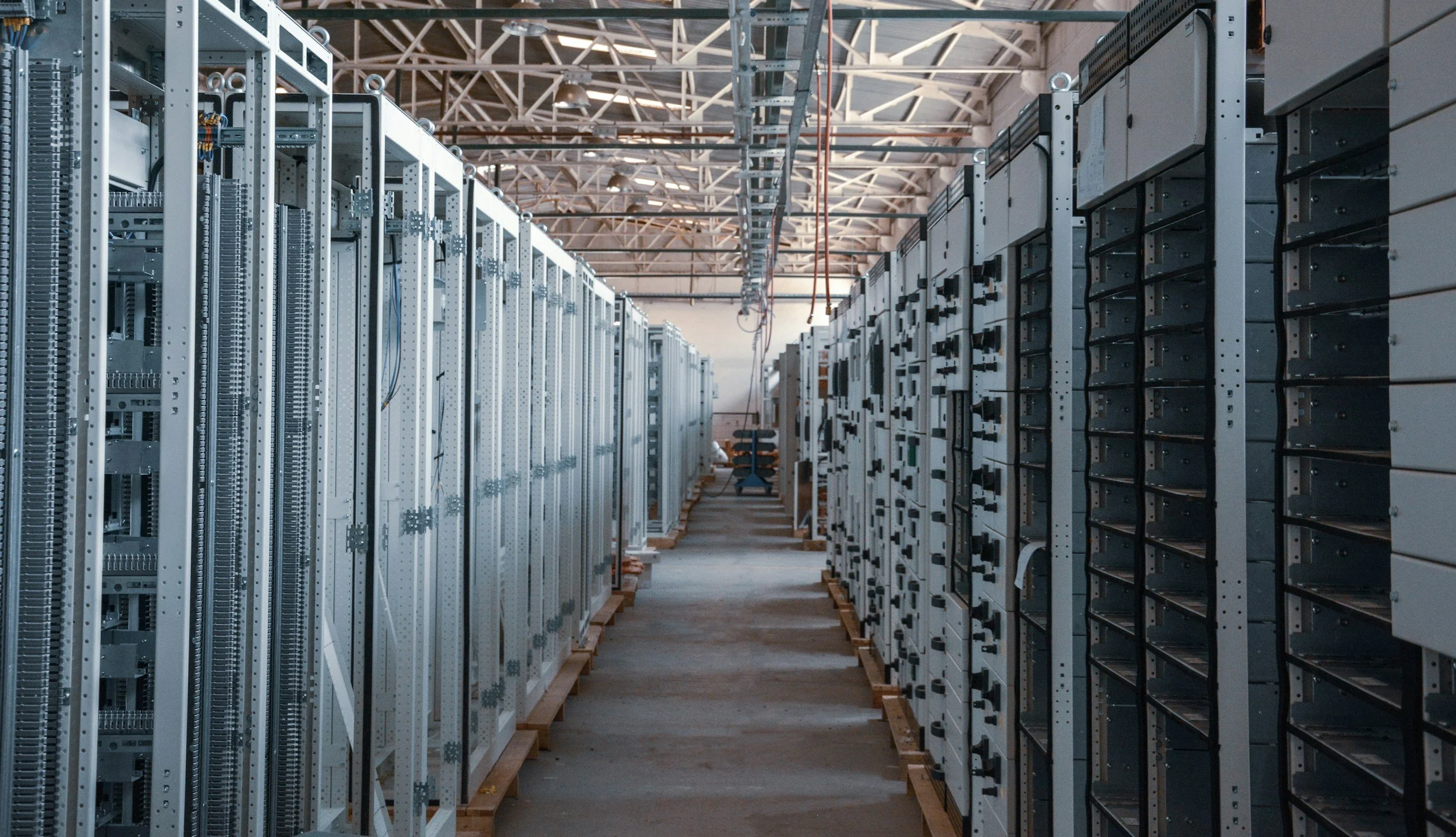
Your running dishwasher registers around 65-70 decibels. Imagine that dishwater is nearly the size of 2 two football fields. It uses the power of 60,000 homes and consumes up to 5,000,000 gallons of water – the amount used by a town of 40,000 people. Wildlife will not approach within 2 miles of it. Now imagine that dishwasher next to your neighborhood, running 24/7. And by the way, it doesn’t clean your dishes. Congratulations, you’ve just imagined a data center.
South Central Pennsylvania is a target for the construction of new data centers. Senator Greg Rothman’s real estate company made big money from the sale of a farm to the PAX-1 facility in Middlesex township, from which he made considerable profit. Is it a coincidence that he also proposed SB939, which seeks to fast track data center construction? You decide.
As a senior adviser at the Progressive Policy Institute observed, we need to approve new data centers conditional on a robust civic compact. Until that compact has been established, I believe we should pump the brakes on data centers rather than fast-track them. If data centers are an issue you want to be handled cautiously and without personal bias, then I urge you to support me in November - I’m the only candidate in this race who opposes their proliferation.
-
Data Centers are wildly unpopular – Quinnipac polling found 68% of Pennsylvanians oppose their construction. Despite this, SB939 by Senator Rothman initially included language denying municipal authorities’ right to zone against construction of high impact data centers.
I hear you loud and clear, and I share your concerns. The impacts of data centers on our environment and our energy grid have me worried, to say nothing of the immoral theft of data perpetrated in the training of the AI models for which these centers will play host.I support a moratorium on data center construction until we are better informed and better prepared. Pennsylvania is neither ready or willing to broadly sanction their development.
-
Local governments all across the Commonwealth are being swamped with data center proposals, but many municipalities lack robust ordinances and information to protect their constituencies. HB2496 creates an optional 180 day window for local municipalities to pause data center applications while they inform and update their ordinances. This appears absolutely in the best interest of our citizenry, and I’d support this any legislation like it.
-
I support legislation such as House Bill 1834 by Robert Matzie, which ensures that the energy costs associated with data centers are not passed on to consumers.
“The U.S. needs data centers... But communities don’t need to accept every project on whatever terms developers offer.”
Education
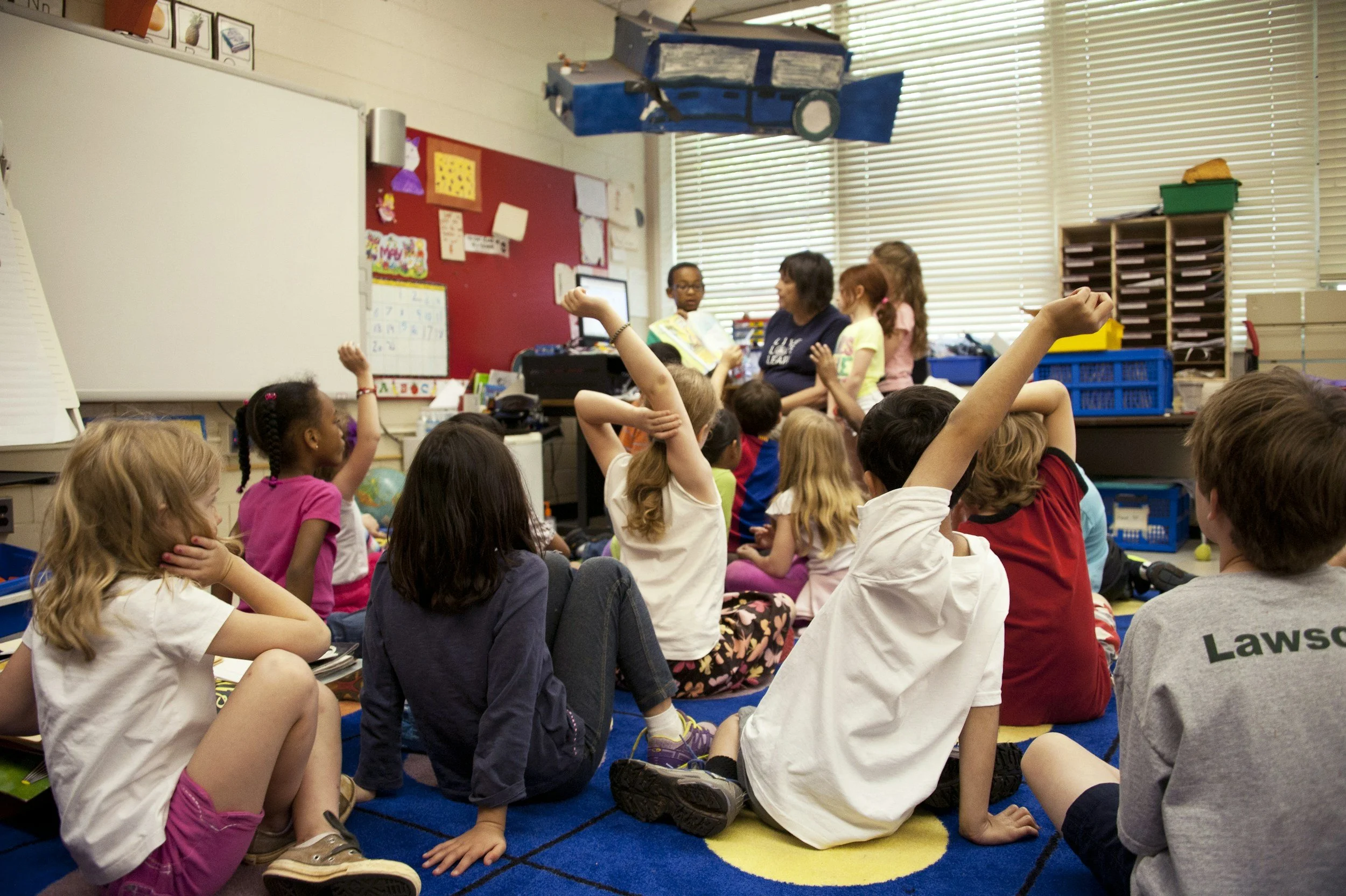
A 2023 court ruling found Pennsylvania’s school funding system unconstitutional due to inequities, resulting in a $5.1 billion shortfall in high-need districts.
We use the Fair Funding formula, and algorithm which directs state money equalizing funding for places with lower property taxes.
Senator Rothman did not effectively advocate for Cumberland Valley’s financing through this formula, whereupon the school was subsequently excluded from the algorithm and receives no supplement. This matters - it’s one of the reasons we need accountability in this district.
Governor Josh Shapiro’s latest budget proposal for the 2026-27 fiscal year includes a $565 million increase directed through the adequacy formula, which would help to alleviate some of the burden experienced by districts with less property tax revenue. I support this and will endeavor to see our schools receive the funding they so critically require.
-
The Pennsylvania State System of Higher Education (PASSHE) exists to keep college within reach for everyday Pennsylvanians. Schools like Shippensburg University and West Chester University give students (especially first-generation and working-class ones) an affordable path to a degree. When PASSHE is strong, tuition stays lower and Pennsylvanians have more opportunities to gain the education they need to thrive. When it’s underfunded, students pay more and communities lose out.
Supporting PASSHE is more than an investment in education - it is an investment in economic growth, local communities, and equal opportunity across the state.
-
Pennsylvania law requires districts to pay tuition to cyber charter schools for each resident student enrolled. These payments are based on district expenditures rather than the actual cost of providing online education, leading to significant financial impacts on local taxpayers and budgets. Currently, costs fluctuate between $7,000 to $25,000 per cyber charter student, and more than double that for special education students.
HB2370 would standardize cyber charter school tuition at $8,000 per student, which will save traditional districts an estimated $530 million. -
A 2023 court ruling found Pennsylvania’s school funding system unconstitutional due to inequities, resulting in a $5.1 billion shortfall in high-need districts.
In response, Governor Josh Shapiro’s latest budget proposal for the 2026-27 fiscal year includes $565 million increase in education spending directed through the adequacy formula, a mathematical plan to redistribute resources equitably to poorly-funded districts. This is a necessary step in the right direction.
“Genius without education is like silver in the mine.”
FAQ
-
ICE may indeed have legally authorized duties within our government - kidnapping children, violently suppressing peaceful protesters, performing arrests and raiding homes without warrants, torturing detainees, and murdering civilians are not among them. I condemn those illegal, cruel, wicked activities and anyone who participates in them, and I encourage you to join me in peacefully doing likewise. In the immortal words of Edmund Burke: “All that is necessary for the triumph of evil is for good men to do nothing.”
-
While working at the 87th legislative district office in the leadup to the 2020 election, I spoke with numerous constituents and non-constituents alike who insisted there was widespread election fraud.
Every one of those claims I heard was entirely unevidenced.
I never spoke with anyone who witnessed fraud themselves, knew someone who had, provided proof of fraud, or who was willing to speak with the FBI, attorney general, or local bureau of elections. They merely repeated unsubstantiated claims that fraud had occurred.
I don’t normally feel comfortable speaking in absolute terms, but I can say with near-total confidence that fears of widespread election fraud in Pennsylvania elections, both then and now, are unfounded. Don’t believe me - believe the staggering 43 court victories upholding the results of that election. So long as they retain demonstrable veracity, I commit to upholding the results of free and fair elections here in the Commonwealth of Pennsylvania, regardless of their outcomes.
-
Legalizing marijuana for individuals over 21 would not only act as a source of tax revenue, but would remove significant barriers to getting help. According to research on treatment barriers, fears surrounding the illegality of cannabis - including potential legal, professional, and social consequences - act as a significant barrier for individuals seeking assistance for cannabis use disorder. We can simultaneously remove that barrier and fund high-priority public services with one decision.
-
While it is a tremendous sadness whenever an abortion is deemed necessary, it remains a medical (and in some cases financial) imperative, and consequently I support its continued availability and coverage.
-
I am often asked this question in broad terms. Succinctly, I think LGBTQ+ people deserve a life of visibility and dignity, the same as anyone.
Regarding marriage contracts, the role of the state is to create and enforce practical legal requirements and regulations (such as age and consent), and to adjudicate matters of taxation, inheritance, spousal rights, and separation. I support the state rendering those same services towards LGBTQ+ couples.
“...Then they came for me
And there was no one left to speak out for me.”